
Understanding what is MRI technologist salary requires a comprehensive look at a profession that blends cutting-edge technology with patient care. MRI technologists, vital members of the healthcare team, operate sophisticated imaging equipment to produce detailed images of the human body, aiding in the diagnosis and treatment of various medical conditions. Their compensation, however, is influenced by a complex interplay of factors, from geographical location and experience to the work environment and benefits packages offered.
This exploration delves into the specifics of MRI technologist salaries, examining the key determinants of income, the impact of various work settings, and the benefits that contribute to overall compensation. We’ll also examine the job market outlook, the educational pathways, and certifications that can shape an MRI technologist’s earning potential. This comprehensive analysis aims to provide a clear and insightful perspective on the financial aspects of this crucial healthcare role.
What are the primary factors influencing the annual income of an MRI technologist?
The salary of an MRI technologist is influenced by a multitude of factors, creating a diverse earning landscape across the United States. These elements interact in complex ways, shaping compensation packages that reflect experience, location, education, and the specific demands of the employer. Understanding these variables is crucial for both aspiring and experienced technologists seeking to maximize their earning potential.
Geographical Location’s Impact on Salary
The geographic location of employment is a significant determinant of an MRI technologist’s salary. Cost of living, market demand, and the presence of specialized medical facilities all contribute to regional variations in compensation.
For instance, states with a high cost of living, such as California, often offer higher salaries to compensate for increased expenses. Similarly, metropolitan areas with a concentration of hospitals and imaging centers, like New York City, tend to have competitive pay scales due to higher demand for skilled technologists. Conversely, rural areas or states with a lower cost of living, like certain parts of the Midwest, may offer lower salaries. However, this may be offset by a lower cost of living.
* High-Paying Regions:
* California: Major metropolitan areas like San Francisco and Los Angeles consistently rank among the highest-paying locations for MRI technologists. The demand is driven by a large population, advanced medical facilities, and a high cost of living. Salaries can often exceed $90,000 annually, and even higher with experience and advanced certifications.
* New York: The New York City metropolitan area, with its numerous hospitals and imaging centers, also offers competitive salaries. The high cost of living and the demand for skilled technologists contribute to this.
* Washington: The Seattle area, with its robust healthcare sector and tech industry, presents favorable salary prospects. The state’s economic growth and strong demand for healthcare professionals influence the salary levels.
* Low-Paying Regions:
* Midwest: States like Iowa, Kansas, and Nebraska often have lower average salaries for MRI technologists compared to coastal states. This is generally due to a lower cost of living and a less concentrated healthcare market.
* Southern States: Some Southern states, particularly those with a lower cost of living, may offer lower salaries. However, this may be balanced by a more affordable lifestyle.
Years of Experience and Salary Levels
Years of experience is a critical factor in determining an MRI technologist’s salary. As technologists gain experience, they typically acquire more specialized skills, knowledge, and efficiency, leading to increased earning potential. Salary levels often increase significantly with each tier of experience.
* Entry-Level (0-2 Years): Entry-level MRI technologists typically start with a foundational understanding of MRI procedures and equipment operation. They work under the supervision of more experienced technologists. Salary range: $60,000 – $75,000 annually.
* Mid-Level (3-5 Years): With a few years of experience, technologists gain proficiency in various MRI protocols and patient care. They can often work more independently and may be responsible for training new staff. Salary range: $75,000 – $90,000 annually.
* Experienced (6-10 Years): Experienced technologists are highly skilled and knowledgeable in all aspects of MRI. They may specialize in certain areas, such as neuroimaging or musculoskeletal imaging, and may take on supervisory roles. Salary range: $90,000 – $110,000 annually.
* Senior/Advanced (10+ Years): Senior technologists have extensive experience and may hold leadership positions, such as chief technologist or imaging director. They often have advanced certifications and contribute to training and quality assurance. Salary range: $110,000+ annually.
Education, Certifications, and Salary
Education and certifications play a crucial role in determining an MRI technologist’s salary. Holding a degree and certifications demonstrates a commitment to professional development and specialized skills, making technologists more valuable to employers.
The following table illustrates the impact of education and certifications on salary:
| Education/Certification | Entry-Level Salary Range | Mid-Career Salary Range | Advanced Salary Range |
|---|---|---|---|
| Associate’s Degree/ARRT Certification | $60,000 – $70,000 | $70,000 – $85,000 | N/A |
| Bachelor’s Degree/ARRT Certification | $65,000 – $75,000 | $75,000 – $90,000 | $95,000 – $110,000+ |
| Post-Primary Certification (e.g., ARRT advanced) | N/A | $80,000 – $95,000 | $100,000+ |
| Master’s Degree/Advanced Certifications | N/A | $85,000 – $100,000 | $110,000+ |
How does the work environment of an MRI technologist affect their overall compensation package?
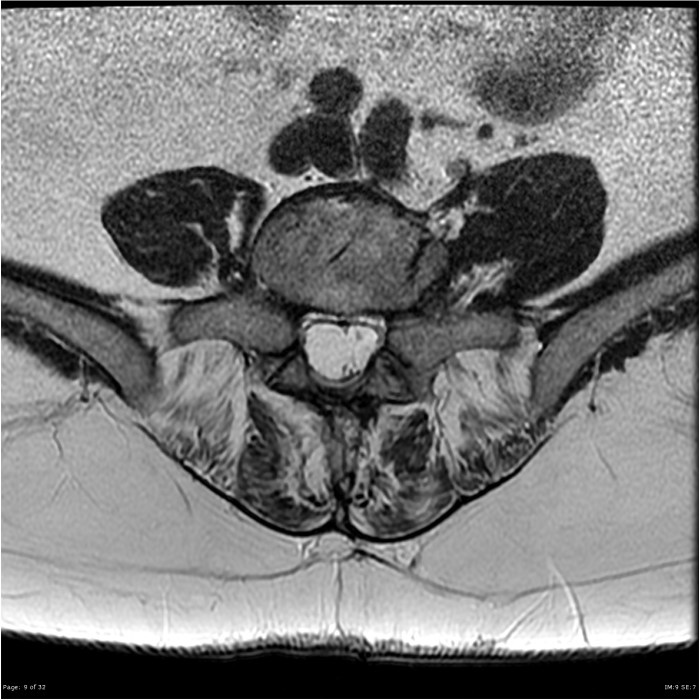
The setting in which an MRI technologist practices significantly shapes their compensation, influencing not just base salary but also the benefits and perks offered. Different environments, from hospitals to private clinics, have varying financial capabilities and operational needs, directly impacting the overall value of a technologist’s employment package. These differences reflect the market dynamics, patient volume, and the overall financial health of the healthcare provider.
Compensation Differences by Work Setting
The work setting profoundly impacts an MRI technologist’s earnings, reflecting the varying financial structures and priorities of different healthcare providers. These differences encompass base salary, benefits, and additional perks.
The landscape varies considerably:
* Hospital Setting: Hospitals, often the largest employers of MRI technologists, typically offer a comprehensive compensation package. This includes a competitive base salary, reflecting the complexity and demands of the role. Benefits are robust, including health insurance, retirement plans (often with employer contributions), paid time off (vacation, sick leave, and holidays), and professional development opportunities. Hospitals frequently invest in advanced technology and offer opportunities for specialization, potentially leading to higher salaries. The work environment can be demanding, with a higher patient volume and the potential for emergency cases, often requiring 24/7 coverage.
* Private Clinics: Private clinics frequently present a different compensation model. While the base salary might be slightly lower than in a hospital setting, private clinics often offer a more flexible work schedule and a more focused patient experience. Benefits packages are usually less extensive, though health insurance and some paid time off are standard. Private clinics might offer performance-based bonuses tied to patient satisfaction or clinic profitability. This can be a compelling factor for technologists seeking a more direct connection between their performance and compensation.
* Outpatient Imaging Centers: Outpatient imaging centers occupy a middle ground. They generally offer a competitive salary, often aligned with hospital rates, and may provide a more structured schedule. Benefits packages are typically less comprehensive than hospitals but often include health insurance, retirement plans, and paid time off. The work environment tends to be less hectic than hospitals, with a more controlled patient flow. These centers may offer opportunities for overtime or bonuses, especially during peak hours or for specialized procedures. Outpatient centers might emphasize efficiency and productivity, influencing the structure of the compensation packages.
The variety in compensation packages is influenced by factors like market demand, cost of living in the geographic area, and the financial standing of the specific healthcare provider.
Impact of Shift Differentials, Overtime, and On-Call Responsibilities
Shift differentials, overtime opportunities, and on-call responsibilities significantly influence an MRI technologist’s total earnings, providing additional income beyond the base salary. These elements compensate for the demands of non-traditional work hours and the availability required for patient care.
These are critical factors:
* Shift Differentials: Shift differentials are payments awarded for working outside of standard business hours. Evening, night, and weekend shifts typically command higher pay rates. For example, a technologist working the night shift might receive an additional $3 to $5 per hour on top of their base rate. This extra compensation reflects the inconvenience of working outside of regular hours and the need to ensure 24/7 coverage. The amount of the shift differential is determined by the employer, based on factors such as the time of day and the perceived difficulty of filling the shift.
* Overtime Opportunities: Overtime pay, typically at a rate of 1.5 times the regular hourly rate, is available for hours worked beyond the standard 40-hour work week. This is common in hospitals and busy imaging centers where patient demand fluctuates. Overtime can significantly boost an MRI technologist’s income, especially during periods of high patient volume or staffing shortages. A technologist working an additional 10 hours of overtime per week could substantially increase their annual earnings.
* On-Call Responsibilities: On-call duties involve being available to work outside of scheduled hours, often to cover emergency cases or urgent procedures. Technologists receive a stipend for being on-call, and they are paid at their regular or overtime rate if they are called in to work. The on-call stipend can vary but might range from a few dollars per hour for being available to a set amount per on-call shift. On-call responsibilities are more common in hospitals, where emergency services are available around the clock. The amount of the stipend and the rate of pay for actual work are subject to the employer’s policies and, in some cases, collective bargaining agreements.
These elements add a crucial layer to an MRI technologist’s earnings, compensating for the flexibility and dedication required by the profession.
Influence of Union Membership on Salary and Benefits
Union membership can significantly influence an MRI technologist’s salary and benefits, as collective bargaining agreements often secure more favorable terms than individual contracts. These agreements address a range of employment conditions, from base pay to healthcare coverage and retirement plans.
Key aspects of union influence include:
* Salary Negotiation: Unions negotiate base salaries and salary increases, often resulting in higher pay rates than non-unionized settings. For example, a union might negotiate a minimum starting salary for MRI technologists and establish annual pay raises based on experience and performance. These agreements are legally binding, ensuring that all union members receive at least the agreed-upon compensation.
* Benefit Packages: Union contracts typically include comprehensive benefit packages, including health insurance, retirement plans, and paid time off. Unions often negotiate for better healthcare coverage, including lower premiums, broader coverage, and better benefits. They might also secure employer contributions to retirement plans, such as 401(k) or pension plans.
* Working Conditions: Unions address working conditions, such as staffing levels, workload, and safety protocols. They negotiate for reasonable workloads to prevent burnout and ensure patient safety. They might also advocate for safer working environments, including adequate equipment and safety training.
* Job Security: Union contracts often include provisions for job security, such as just-cause termination clauses. These provisions protect technologists from arbitrary dismissal and provide due process in case of disciplinary action.
An example: In some hospitals with strong union representation, MRI technologists may have secured contracts that include a guaranteed minimum salary, health insurance with low premiums, a defined contribution retirement plan with a significant employer match, and generous paid time off.
These examples highlight the impact of union membership on improving the overall compensation and working conditions for MRI technologists.
What are the typical benefits packages offered to MRI technologists in addition to their base salary?
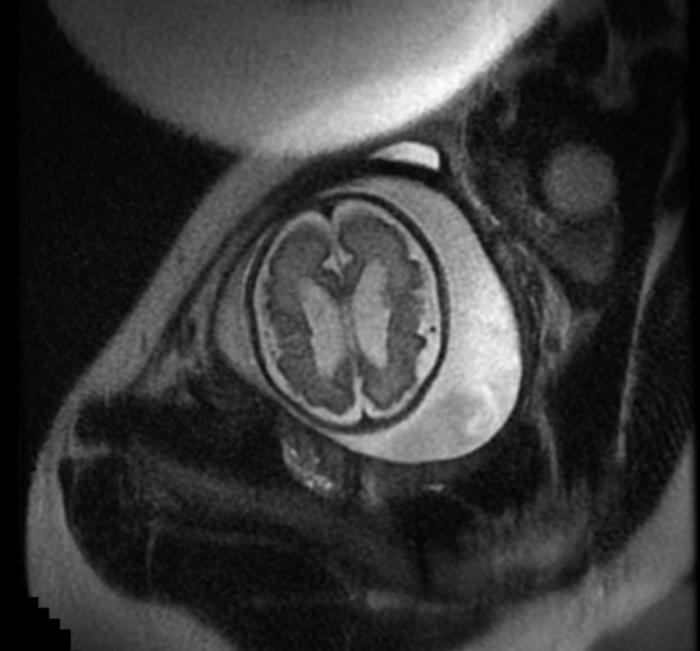
Beyond a technologist’s base salary, a comprehensive benefits package significantly enhances the overall compensation and job satisfaction. These benefits can represent a substantial financial value and contribute to the well-being and professional growth of the MRI technologist. Understanding these offerings is crucial for evaluating job opportunities and negotiating compensation packages.
Health Insurance Benefits: Medical, Dental, and Vision Coverage
Health insurance forms a cornerstone of any competitive benefits package. It protects MRI technologists from the financial burdens of medical expenses and ensures access to essential healthcare services. Several plan options are typically available, each with varying levels of coverage, premiums, and out-of-pocket costs.
Medical insurance plans commonly offered include:
* Health Maintenance Organizations (HMOs): HMOs typically require patients to select a primary care physician (PCP) who coordinates their care. Referrals are generally needed to see specialists. Premiums are often lower than other plans, but the network of providers is usually more restricted.
* Preferred Provider Organizations (PPOs): PPOs offer greater flexibility than HMOs. Patients can see specialists without a referral, and they have the option to use out-of-network providers, although at a higher cost. Premiums are generally higher than HMOs.
* High-Deductible Health Plans (HDHPs) with Health Savings Accounts (HSAs): HDHPs have lower premiums but higher deductibles. These plans are often paired with HSAs, which allow employees to set aside pre-tax dollars to pay for qualified healthcare expenses. This can be advantageous for those who anticipate relatively low healthcare costs.
Dental and vision insurance are also standard benefits. Dental plans typically cover preventative care (check-ups, cleanings), basic restorative procedures (fillings), and more complex treatments (root canals, crowns). Vision plans cover eye exams, and often provide allowances for eyeglasses or contact lenses. The specifics of coverage vary, with some plans offering broader benefits and lower out-of-pocket costs than others. The choice of plan will depend on individual needs and preferences, and often includes a comparison of premiums, deductibles, co-pays, and the breadth of the provider network.
Additional Benefits Commonly Included in Compensation Packages
In addition to health insurance, MRI technologists often receive a range of other benefits designed to support their financial security, work-life balance, and professional development.
These benefits frequently include:
* Retirement Plans: Employers typically offer retirement plans, such as 401(k) plans. These plans allow technologists to save for retirement on a pre-tax basis, with employers often matching a percentage of employee contributions.
* Paid Time Off (PTO): PTO encompasses vacation days, sick leave, and sometimes personal days. The amount of PTO varies depending on the employer and years of service, but it’s a crucial benefit for maintaining work-life balance.
* Life Insurance: Employers may provide life insurance coverage, which pays a death benefit to the technologist’s beneficiaries.
* Disability Insurance: Both short-term and long-term disability insurance protect technologists against loss of income if they become unable to work due to illness or injury.
* Professional Development Opportunities: These opportunities can include financial support for continuing education, professional certifications, and membership in professional organizations.
Professional Development Opportunities for MRI Technologists
Professional development is a critical aspect of an MRI technologist’s career. It enables them to stay current with advancements in technology, improve their skills, and potentially increase their earning potential. Employers often support this through various means.
MRI technologists typically have access to continuing education opportunities. For instance, an employer might provide financial assistance for attending conferences, workshops, or online courses related to MRI technology. The cost of these courses can range from a few hundred to several thousand dollars, depending on the scope and duration. Furthermore, the employer may provide paid time off to attend these events. In addition, technologists can receive financial support for obtaining advanced certifications. The financial value of these opportunities can be substantial, as they contribute to career advancement and potentially higher salaries. For example, obtaining a certification like the American Registry of Radiologic Technologists (ARRT) post-primary certification in MRI can lead to an increase in annual salary.
What is the projected job outlook for MRI technologists and how might this impact their earning potential?
The job market for MRI technologists is dynamic, shaped by advancements in medical imaging, an aging population, and evolving healthcare needs. Understanding the projected job outlook is crucial for aspiring and current MRI technologists, as it directly impacts their career prospects and earning potential. This section explores current trends, regional variations, and the influence of market dynamics on salary negotiations.
Job Market Trends for MRI Technologists
The demand for MRI technologists is generally expected to grow, but this growth isn’t uniform across the country. Several factors drive this trend, leading to regional variations in demand.
- Aging Population: As the population ages, the incidence of age-related health conditions that require MRI scans, such as neurological disorders, musculoskeletal issues, and certain cancers, increases. This drives a consistent need for qualified MRI technologists.
- Technological Advancements: Continuous innovation in MRI technology, including higher-resolution imaging, faster scan times, and new applications, fuels the demand for technologists skilled in operating and maintaining these advanced systems. These advancements lead to more complex procedures and a greater need for specialized expertise.
- Healthcare Expansion: The expansion of healthcare facilities, including hospitals, outpatient imaging centers, and specialized clinics, contributes to the demand for MRI technologists. Facilities are increasingly investing in MRI technology to provide comprehensive diagnostic services.
- Regional Variations: Demand varies geographically. Areas with a higher concentration of elderly residents, major medical centers, and those experiencing population growth often have a greater need for MRI technologists. Rural areas may face challenges in attracting and retaining qualified professionals. For instance, states with significant aging populations, such as Florida and Arizona, often exhibit higher demand compared to states with younger demographics. Similarly, metropolitan areas with numerous hospitals and imaging centers, like New York City or Los Angeles, typically offer more job opportunities.
Projected Job Growth Rate Comparison
The projected job growth rate for MRI technologists should be considered in comparison to other healthcare professions. The following table provides a comparative analysis over the next decade.
| Healthcare Profession | Projected Job Growth Rate (%) | Source | Notes |
|---|---|---|---|
| MRI Technologists | 10-15% | U.S. Bureau of Labor Statistics | Growth reflects increased demand due to aging population and technological advancements. |
| Registered Nurses | 6-9% | U.S. Bureau of Labor Statistics | Moderate growth, driven by an aging population and increasing healthcare needs. |
| Medical Assistants | 16-20% | U.S. Bureau of Labor Statistics | Significant growth, fueled by the expanding healthcare industry and increasing demand for administrative and clinical support. |
| Physical Therapists | 15-18% | U.S. Bureau of Labor Statistics | Robust growth, influenced by the aging population and the increasing prevalence of chronic conditions. |
Impact of Market Dynamics on Earning Potential
The interplay of supply and demand significantly influences salary negotiations and overall earning potential.
Increased demand for MRI technologists, driven by factors like an aging population and advancements in technology, often leads to higher starting salaries and more competitive benefits packages. In regions with a shortage of qualified professionals, employers may offer signing bonuses, relocation assistance, or enhanced continuing education opportunities to attract and retain talent. Conversely, if the supply of MRI technologists exceeds the demand in a particular area, competition for jobs may be more intense, potentially impacting salary levels. Furthermore, a highly specialized skillset or certifications in advanced imaging techniques can provide a competitive edge, enabling technologists to command higher salaries and negotiate more favorable employment terms.
What are the common pathways to becoming an MRI technologist and how do these affect starting salaries?
Becoming an MRI technologist involves navigating specific educational and certification requirements, with these choices significantly impacting a candidate’s initial salary and long-term earning potential. The path chosen, including the level of education and the certifications obtained, directly influences a technologist’s skillset and marketability, ultimately affecting their compensation. Understanding these pathways is crucial for aspiring technologists to make informed decisions about their career trajectory.
Educational Paths to Becoming an MRI Technologist
Several educational paths lead to a career as an MRI technologist, each with its own advantages and disadvantages concerning curriculum depth, career advancement opportunities, and, crucially, starting salary.
* Associate’s Degree: An Associate of Applied Science (AAS) degree in Radiologic Technology, followed by specialized MRI training, is a common entry point. These programs typically take two years to complete.
* Advantages: Faster route to entering the workforce compared to a bachelor’s degree. Programs often have strong clinical components, providing hands-on experience.
* Disadvantages: May limit career advancement opportunities compared to those with a bachelor’s degree. Starting salaries might be slightly lower than those with a four-year degree.
* Bachelor’s Degree: A Bachelor of Science (BS) degree in Radiologic Sciences or a related field offers a more comprehensive education. This often involves a four-year program.
* Advantages: Provides a broader understanding of medical imaging principles and related sciences. Opens doors to supervisory and management roles more readily. Often leads to higher starting salaries.
* Disadvantages: Requires a longer time commitment and can be more expensive than an associate’s degree program.
Common Certifications for MRI Technologists
Obtaining specific certifications is vital for MRI technologists, as these credentials demonstrate competency and adherence to professional standards. These certifications significantly impact both starting and long-term earning potential.
To ensure patient safety and quality imaging, MRI technologists must obtain and maintain specific certifications. Here are some of the crucial certifications:
* American Registry of Radiologic Technologists (ARRT) Certification: This is the most widely recognized certification for radiologic technologists. To become certified in MRI, technologists must first be certified in radiography (R.T.(R)) and then pass an MRI examination.
* ARRT certification demonstrates that a technologist has met the necessary educational and clinical requirements and has passed a rigorous examination.
* Advanced Certifications: Continuing education and advanced certifications, such as those offered by the ARRT, in specialized areas like cardiac MRI or musculoskeletal MRI, can increase earning potential.
* These certifications demonstrate expertise in specific areas, making technologists more valuable to employers.
Certifications directly impact salaries. For example, a technologist with only ARRT certification might start at a lower salary compared to one with advanced certifications and specialized experience.
Starting Salary Variations Based on Education, Experience, and Location
Starting salaries for MRI technologists vary based on education, experience, and location.
Imagine a bar graph. The x-axis represents experience levels: “Entry-Level (0-2 years),” “Mid-Career (5-10 years),” and “Experienced (10+ years).” The y-axis represents salary ranges, starting from $50,000 and increasing to $120,000. Three distinct bars are present for each experience level, color-coded to represent educational attainment: green for Associate’s Degree, blue for Bachelor’s Degree, and red for Advanced Certifications/Specializations.
* Entry-Level (0-2 years): The green bar (Associate’s) begins at approximately $55,000 and rises slightly. The blue bar (Bachelor’s) starts higher, around $60,000, and also shows an increase. The red bar (Advanced Certifications) starts even higher, potentially reaching $65,000.
* Mid-Career (5-10 years): All bars show significant increases. The green bar reaches approximately $70,000, while the blue bar climbs to $80,000. The red bar, representing those with advanced certifications, is the highest, reaching potentially $90,000 or more.
* Experienced (10+ years): The salary gap widens further. The green bar reaches perhaps $80,000, the blue bar could reach $95,000, and the red bar representing specialists surpasses $100,000. The image illustrates that as experience and education/certification levels increase, so does the earning potential.
Last Word
In conclusion, the realm of what is MRI technologist salary is dynamic and multifaceted, reflecting the ever-evolving healthcare landscape. From the influence of location and experience to the importance of benefits and job market trends, numerous elements shape the financial rewards of this profession. Aspiring and current MRI technologists can leverage this knowledge to navigate their careers strategically, making informed decisions that align with their professional goals. The demand for skilled MRI technologists continues to grow, presenting promising opportunities for those who are well-prepared and adaptable.
